Close
Back to Top ↑

DDOT Voice
Designing Safer Transportation for School Zones in D.C.
01. Context
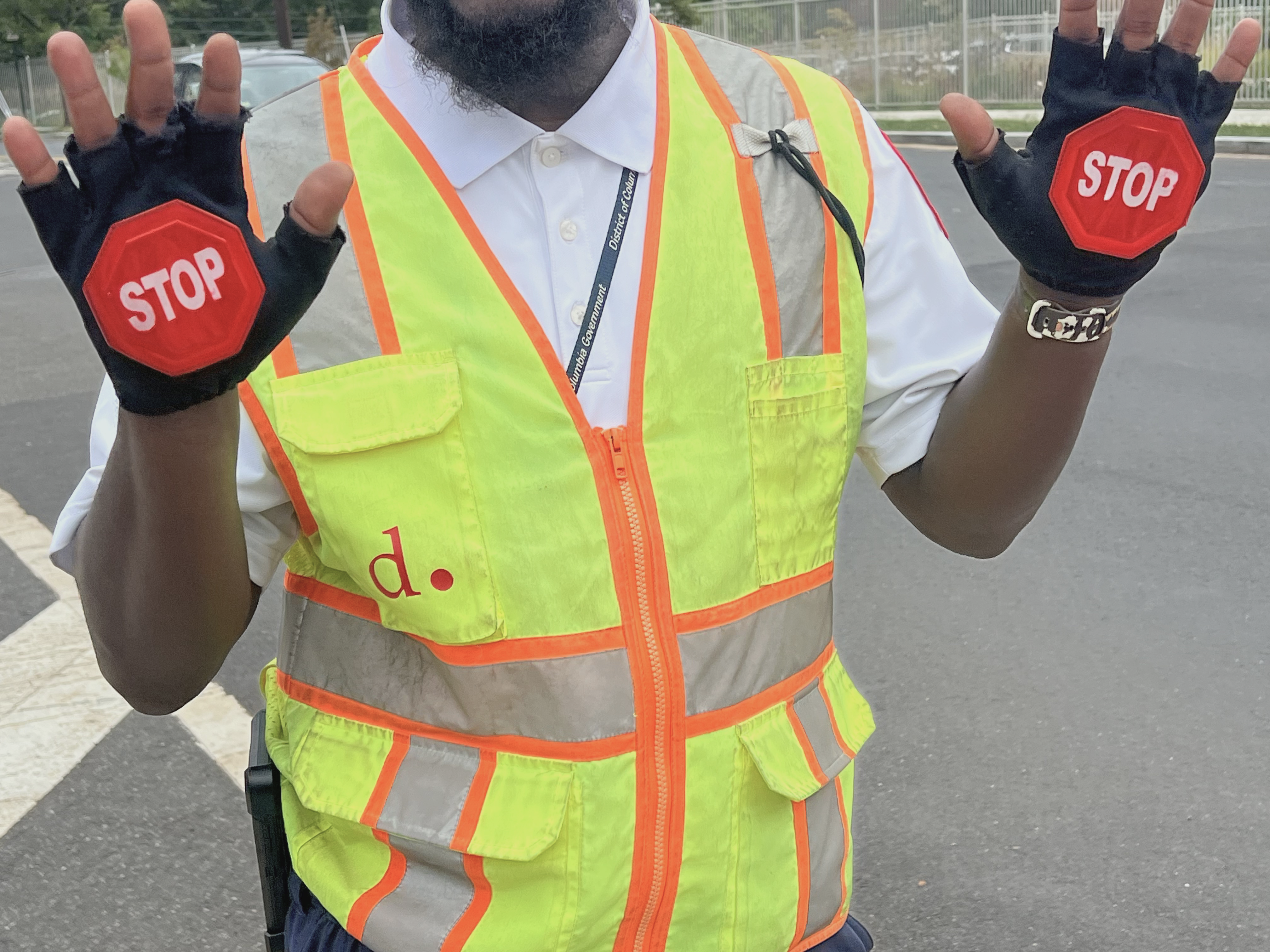
DDOT partnered with our multidisciplinary team to explore how the experiences of safety technicians could be better recognized and acted upon within the organization. Through field observations, interviews, and co-design workshops, we learned that many valuable insights rarely travel beyond the people who witness them. This project explores how design might help make frontline knowledge more visible and connect it to broader organizational decision-making.
2025 - 2026
GWU Engagement Lab
District Department of Transportation (DDOT)



02. Research Focus
Understanding School-Zone Safety Beyond Infrastructure
School-zone safety is often approached through infrastructure and traffic control measures. Our research expanded this view by examining how safety is shaped by the relationship between frontline experiences, organizational coordination, and the physical environment.



Human
Emotions, judgement, and
awareness - individual
experience of safety
System
Administration, data, and
communication -
institutional structure
Space
Physical infrastructure,
Visibility and street design
Coordination
& Communication
Visibility
& Experience
Design &
Policy alignment
SAFETY
ACTUALLY
HAPPENS
03. key challenges
When Safety Relies on Individual Judgment
Challenge
Safety technicians are required to make rapid, high-stakes decisions in unpredictable traffic conditions, often with limited system support.
What We Observed
Through site visits and interviews, we found that many safety decisions depend on personal experience rather than shared tools or real-time information, leading to inconsistency and increased cognitive load.
Field Knowledge Remains Isolated
Challenge
Although safety technicians generate valuable observations on the street, communication with supervisors and decision-makers is largely one-directional and delayed.
What We Observed
Real-time safety concerns, near-miss situations, and contextual judgments are rarely captured or shared in ways that inform broader coordination or policy decisions.
Invisible Work, Real Risk
Challenge
Although safety technicians generate valuable observations on the street, communication with supervisors and decision-makers is largely one-directional and delayed.
What We Observed
Real-time safety concerns, near-miss situations, and contextual judgments are rarely captured or shared in ways that inform broader coordination or policy decisions.
04. Design Direction
Translating Frontline Experience into Organizational Action
The goal was to design a system that helps frontline observations move through the organization, turning field experience into long-term learning.
How information should flow?

05. Co-Designing a Shared Communication System
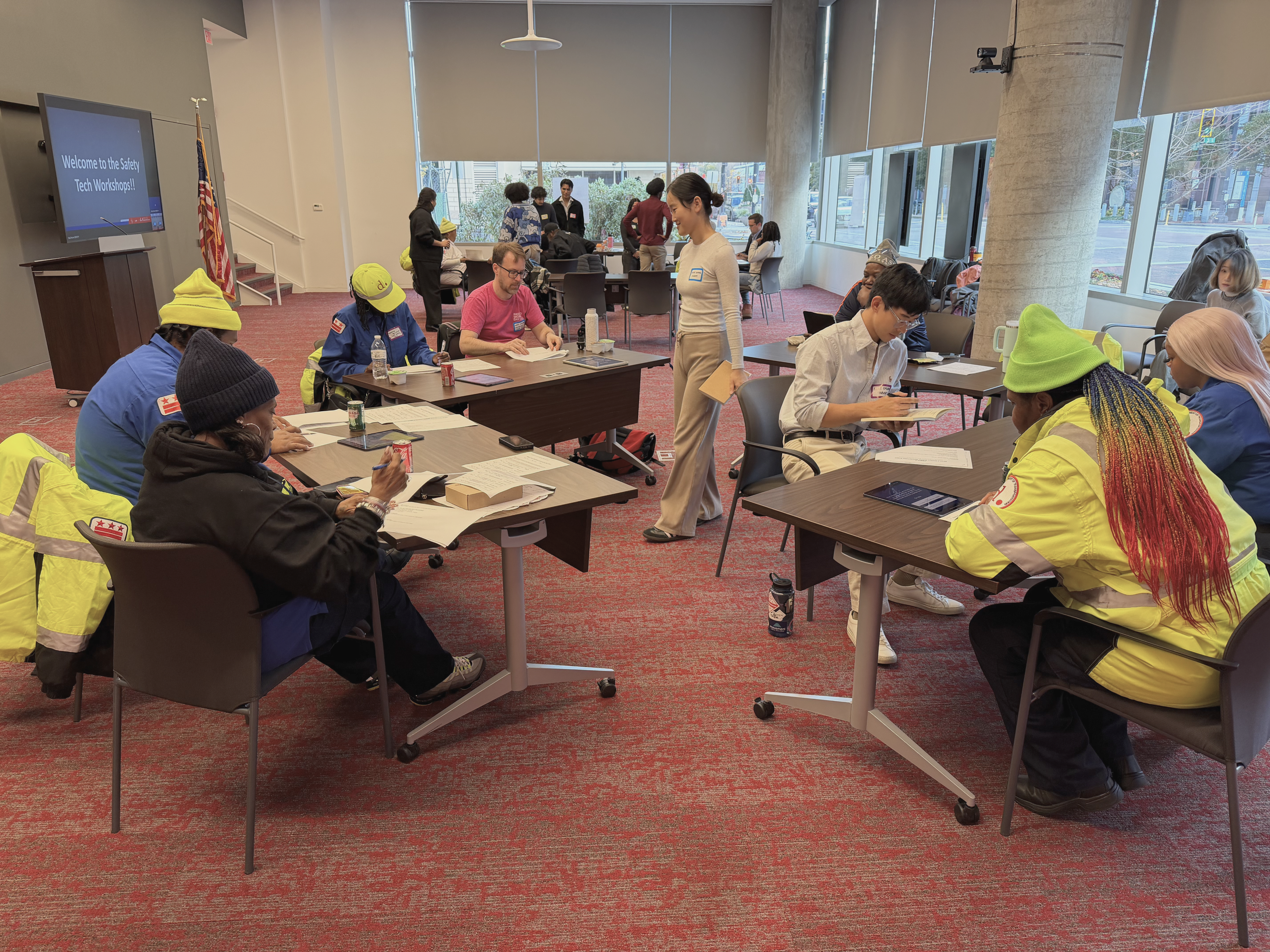
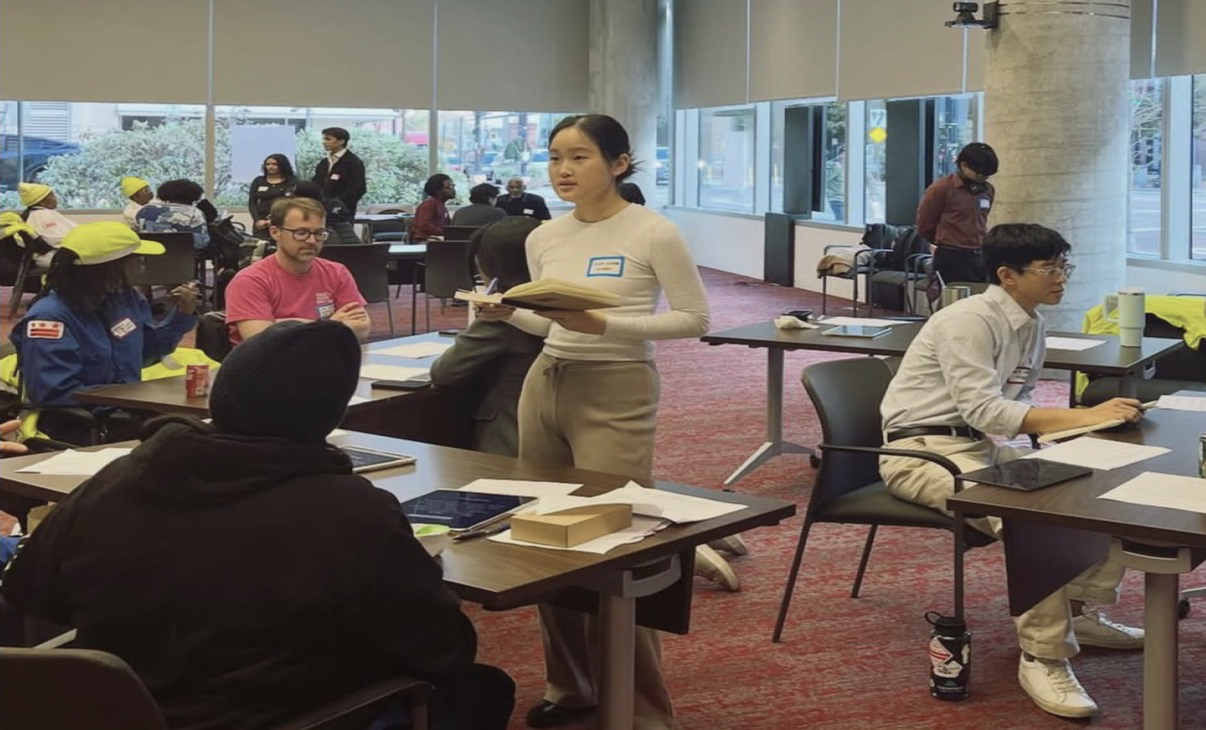
As the lead designer and facilitator, I led two workshops where participants worked through a series of school-zone scenarios and discussed how they would respond to different situations. The workshops highlighted a recurring issue: valuable frontline observations rarely reach the people who could act on them. This insight became a key foundation for DDOT Voice.
06. Designing a Civic Voice Collection System
How can frontline knowledge become organizational knowledge?


CAPTURE
TRUST
DECISION
CONTINUITY

01

Field Insight
Observations from the street, including safety concerns, near misses, and unexpected situations that are often difficult to communicate beyond the immediate context.
02
Structured Collection
Guided categories and contextual prompts help organize field knowledge into actionable structures.
03
Safe Sharing
Optional anonymity helps safety technicians share concerns and experiences more openly.
04
Supervisor Review
Supervisors review incoming insights and determine where additional attention or action may be needed.
05
Organizational Action
Insights can inform operational decisions, helping teams respond to recurring issues across school zones.

06
Feedback Loop
To build trust, technicians receive updates on how their observations are being used.

RETURNS


07. System Map
How does information move across the organization?


Share Field Observations

Update
Close the Loop
Review
& Prioritize
Inform Policy Decisions
Act
Coordinate
Identify Patterns& Improve Training


Safety
Technicians
Supervisors

Operation
Team
Training
Team
DDOT
Leadership


DDOT Voice

District Department of Transportation
Service · Civic Design
08. designing the flow
The reporting flow was designed to be completed in under a minute where safety technicians can quickly capture observations during active school-zone operations.
Entry Point
Safety technicians quickly access DDOT Voice within ArcGIS.
Share a Field Insight
Your on-the-ground experience helps improve safety decisions
Start
Observed across field observationsMentioned in interviewsValidated in workshop
Select Insight Type
Users select one or more categories that best describe their observation.
Select Insight Type
Choose up to 3

On-site Conditions
Coordination & Coverage
Decision-Making Moment
Communication & Support
Work Experience & Perspective
Next
Why these types?
Add Context
Additional details help make observations easier to review upon across teams.
Add Context
Location

37.7749° N, 122.4194° W
Update Location
Time
Afternoon
Description
Describe what happened on site...


Take Photo


Attach


Voice Input
Frequency (Optional)
Today only
Sometimes
Often
Submit
Submit & Acknowledge
Once submitted, the observation enters the review process and is available to relevant teams.

Submitted
Thank you for sharing. Your field insight helps improve safety.
Your input has been recorded.
Back to Home
09. Visual Direction
The visual direction was shaped by insights from field research and workshops. Early visual explorations focused on reducing participation barriers by emphasizing trust, anonymity, speed, and visibility.

Share
your
voice

voices
A system
that actually
listens
DDOT Voice is built differently.
It straight to the supervisors
and the decision-makers.

100%
Anonymous.
Seriously.
Your identity stays safe.
Your message gets heard.
In and out
in 30 seconds
See an issue? snap a photo
tap a category, and submit.
That’s it!
Start reporting





A system
that actually
listens
DDOT Voice is built differently.
It straight to the supervisors
and the decision-makers.

100%
Anonymous.
Seriously.
Your identity stays safe.
Your message gets heard.
In and out
in 30 seconds
See an issue? snap a photo
tap a category, and submit.
That’s it!
Start reporting





A system
that actually
listens
DDOT Voice is built differently.
It straight to the supervisors
and the decision-makers.
100%
Anonymous.
Seriously.
Your identity stays safe.
Your message gets heard.
In and out
in 30 seconds
See an issue? snap a photo
tap a category, and submit.
That’s it!
Start reporting




09. Embedded Within ArcGIS
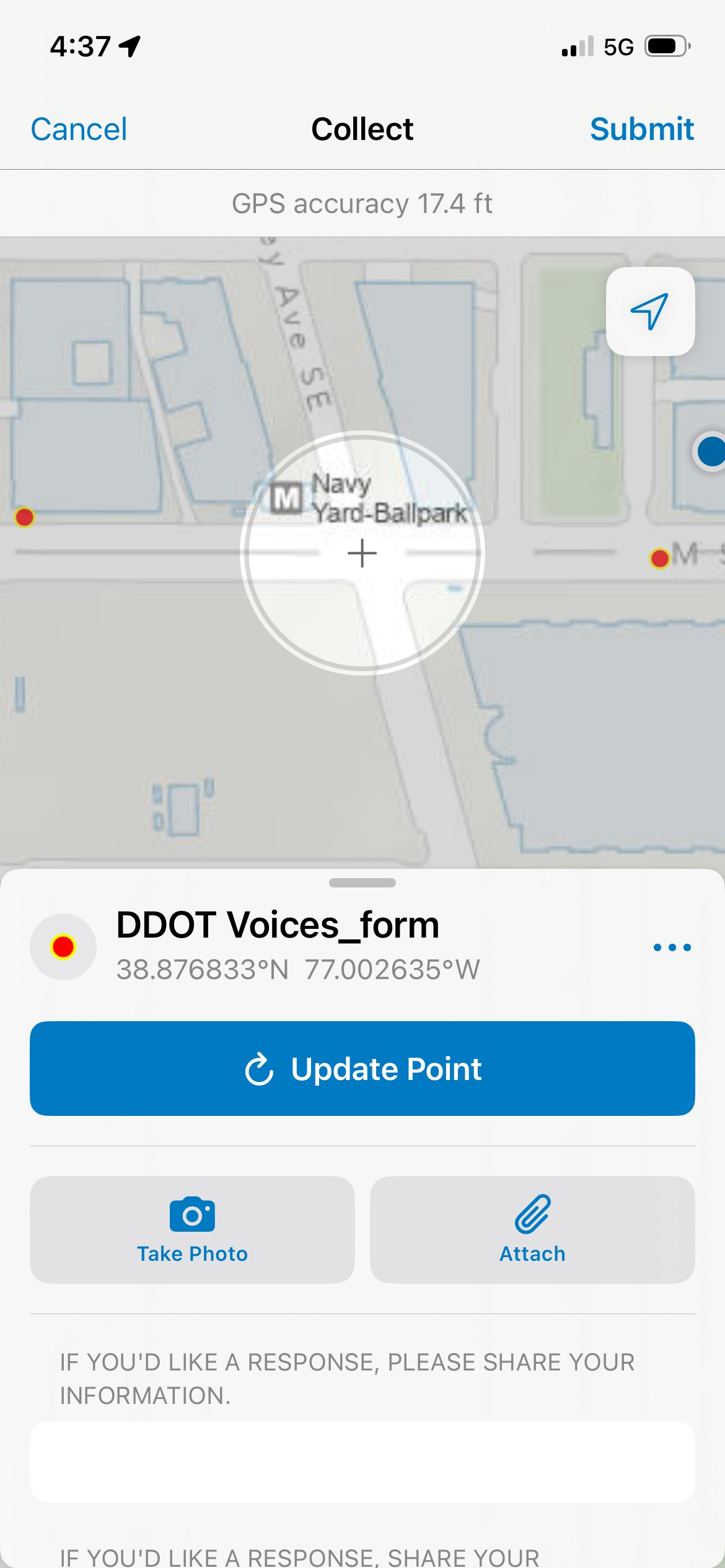
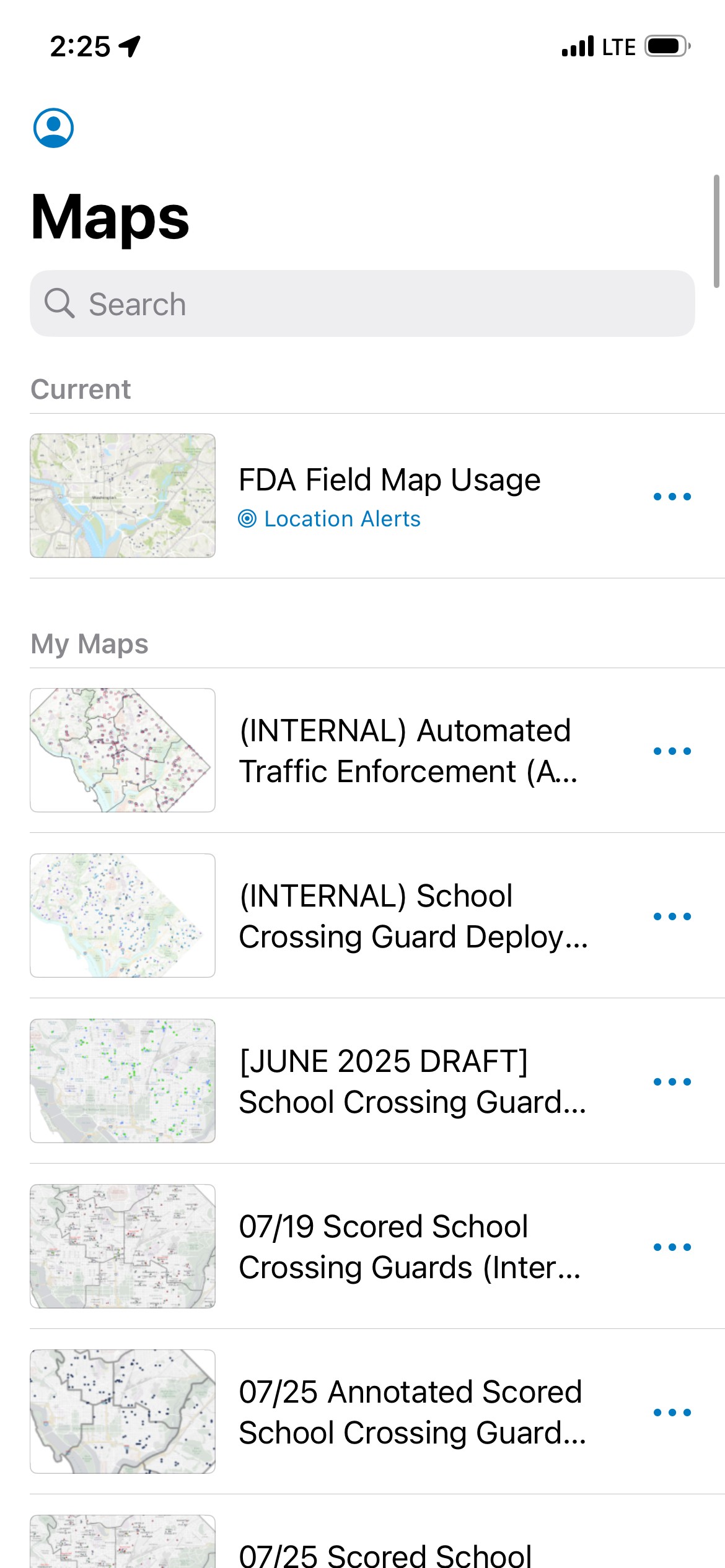
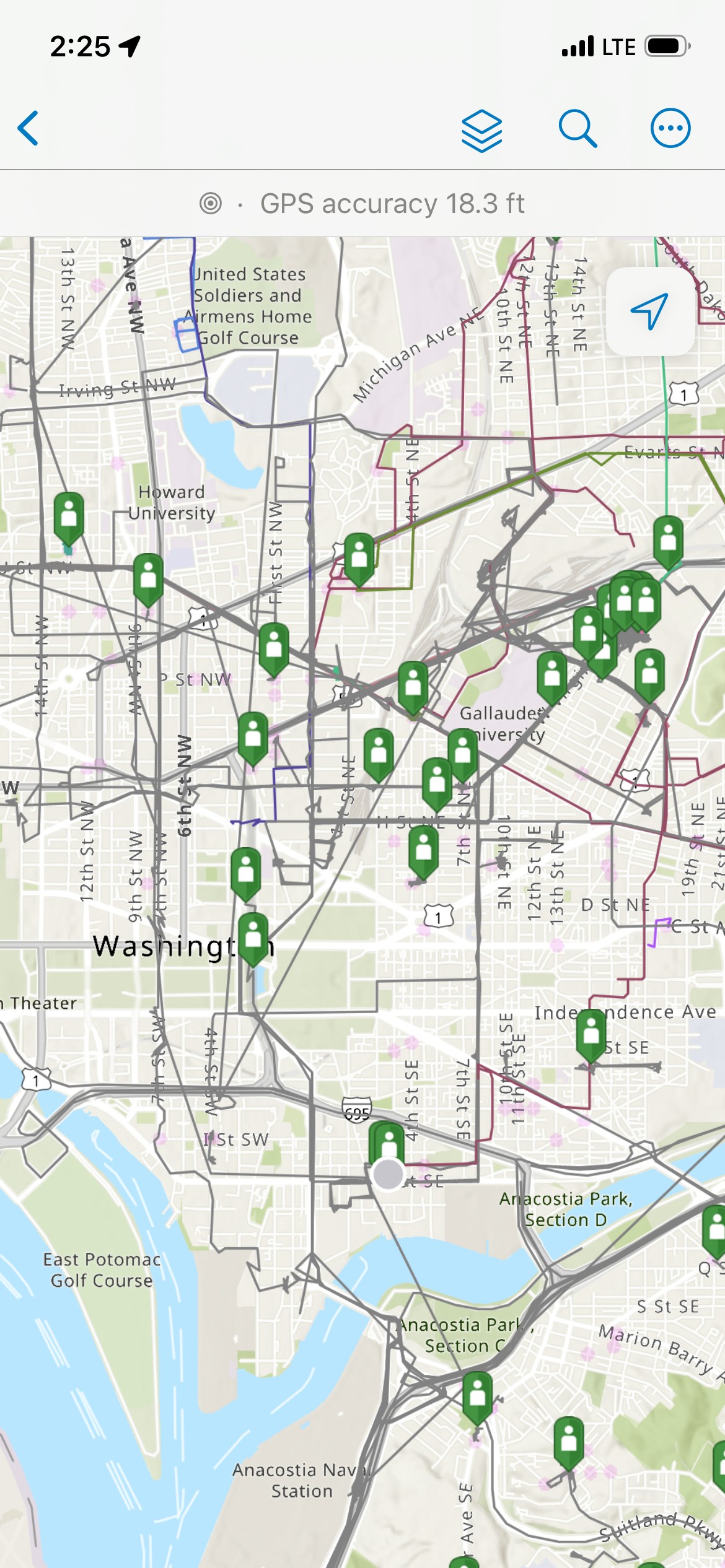
DDOT Voice integrates with ArcGIS, a system already embedded in DDOT's operational ecosystem. It allows information to be captured more seamlessly within existing workflows and connected directly to there database.
10. Reflection
Working closely with safety technicians changed the way I think about design research. Some of the most valuable insights did not come from reports or existing systems, but from conversations about their daily routines on the street. Hearing how much knowledge lives in these everyday observations made me think more critically about who gets heard and how design can help make their work visible.
Ongoing Exploration

Pilot Testing
Policy Development
Integration within DDOT Workflows
...